
Concrete isn’t just for sidewalks and patios—it’s also making a name for itself inside the home, especially in kitchens. Concrete countertops offer a bold, modern aesthetic combined with strength, versatility, and customization options that few materials can match. Whether you’re remodeling your kitchen or building a new one, this guide will walk you through the pros, cons, design options, and installation tips for concrete countertops.
Article Sponsored by: Parking Lot Striping Boston
Why Choose Concrete for Countertops?
Concrete countertops are gaining popularity for a number of compelling reasons:
-
Customizable: They can be molded into any shape and tinted in a variety of colors.
-
Durable: When sealed properly, concrete countertops resist heat, scratches, and stains.
-
Stylish: They work well in both rustic farmhouse kitchens and sleek contemporary spaces.
-
Eco-Friendly: Concrete can be made using recycled materials and local resources, reducing environmental impact.
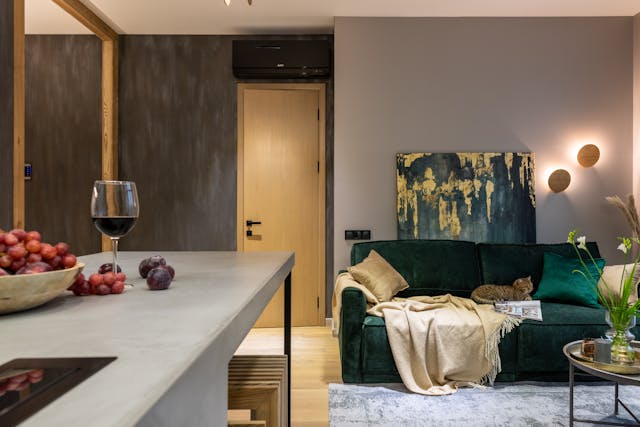
Design Options: Endless Possibilities
Concrete countertops are highly customizable. You can tailor the look to suit nearly any kitchen style.
Color Choices
Integral pigments, acid stains, and dyes can produce anything from natural stone hues to vibrant, modern tones. Popular colors include charcoal gray, sandy beige, deep terracotta, and even blues and greens.
Edge Profiles
While straight edges are most common, you can customize your concrete countertop’s edges with designs like beveled, bullnose, or even live edge-style molds.
Inlays and Embeds
Add crushed glass, seashells, coins, or even fiber optic lights to make your countertops one-of-a-kind.
Texture and Finish
From smooth, polished surfaces to rough, industrial textures, the finish can dramatically alter the final look. You can also opt for a matte, satin, or high-gloss sealer depending on your kitchen’s style.
Installation Methods: Precast vs. Pour-In-Place
Concrete countertops can be created in one of two ways:
Precast Countertops
-
Created in a mold off-site and brought into the home once cured
-
More controlled environment for color and finish consistency
-
Ideal for complex shapes and intricate designs
Pour-In-Place Countertops
-
Concrete is poured directly onto cabinets in your kitchen
-
Seamless installation without joints
-
Requires more on-site work and skill
Unless you’re highly experienced, it’s best to hire a professional for either method due to the weight, curing requirements, and finishing involved.
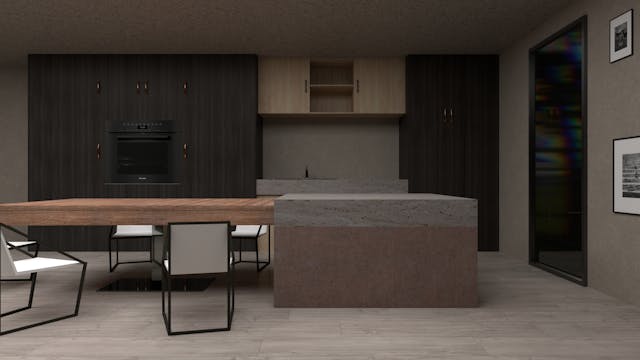
Sealing and Maintenance
Concrete is porous by nature, which means sealing is essential to protect it from stains, water, and bacteria.
Tips for Maintenance
-
Seal Regularly: Apply a high-quality sealer every 1–3 years, depending on use.
-
Clean Gently: Use a pH-neutral cleaner to avoid damaging the sealer.
-
Avoid Standing Water: Wipe up spills promptly, especially acidic ones like lemon juice or vinegar.
-
Use Cutting Boards: Concrete is scratch-resistant but not scratch-proof.
With proper care, concrete countertops can last decades and develop a unique patina over time that many homeowners love.
Cost Comparison
Concrete countertops typically cost between $65 to $135 per square foot installed, depending on customization, labor, and local material costs. While this puts them in the same price range as granite or quartz, concrete stands out due to its handcrafted nature and uniqueness.
Pros and Cons
Pros
-
Fully customizable design
-
Extremely durable and heat-resistant
-
Seamless integration with sinks and backsplashes
-
Eco-friendly when using recycled or local materials
Cons
-
Requires sealing and periodic maintenance
-
Can develop hairline cracks over time (typically cosmetic)
-
Heavy and requires strong cabinet support
-
Higher cost for custom finishes or inlays
Concrete Countertops in Bathrooms and Outdoor Kitchens
Concrete isn’t just limited to indoor kitchens. It also works beautifully in:
Bathrooms: Sleek, custom sinks and vanity tops
Outdoor Kitchens: Weather-resistant countertops with built-in grill areas or sinks
With the right sealers, concrete can hold up to moisture and temperature changes, making it an ideal material for various applications.
Concrete countertops are a bold, modern choice for homeowners looking to add unique character to their kitchens. With endless design options and unmatched customization, they are a true expression of craftsmanship. If you’re ready to break away from cookie-cutter kitchen designs, concrete might be the perfect surface for your next project.
Thank you for visiting our blog. If you have any comments or questions, we ask that you contact us today. We would love to hear from you. We also ask that you make sure to visit our sponsor, Boston Parking Lot Striping.